Mission

Luxury, measured differently

Luxury used to mean the rarest new material. We think it can also mean fine cloth that already exists, handled with the time and skill it deserves, and a clear record of where it came from.

Where we start

Hotels retire bed linen constantly. A sheet with one stain or a thin patch can't go back on a guest's bed, even when most of the cloth is still beautiful. In mass production, one marker is cut through a hundred stacked layers of new fabric. Retired sheets can't be stacked like that, because every sheet has its flaws in different places.

So we work the other way round: one sheet, one plan, one cut at a time.

From hotel bed to wardrobe

A stack of retired white hotel sheets
01 / 05

Retired by the hotel

Luxury hotels take sheets out of service when they thin, tear or stain. We collect them, with written permission to name the hotel.

We look first for long-staple cotton such as Egyptian cotton. We state the fibre only when the hotel or its supplier confirms it.
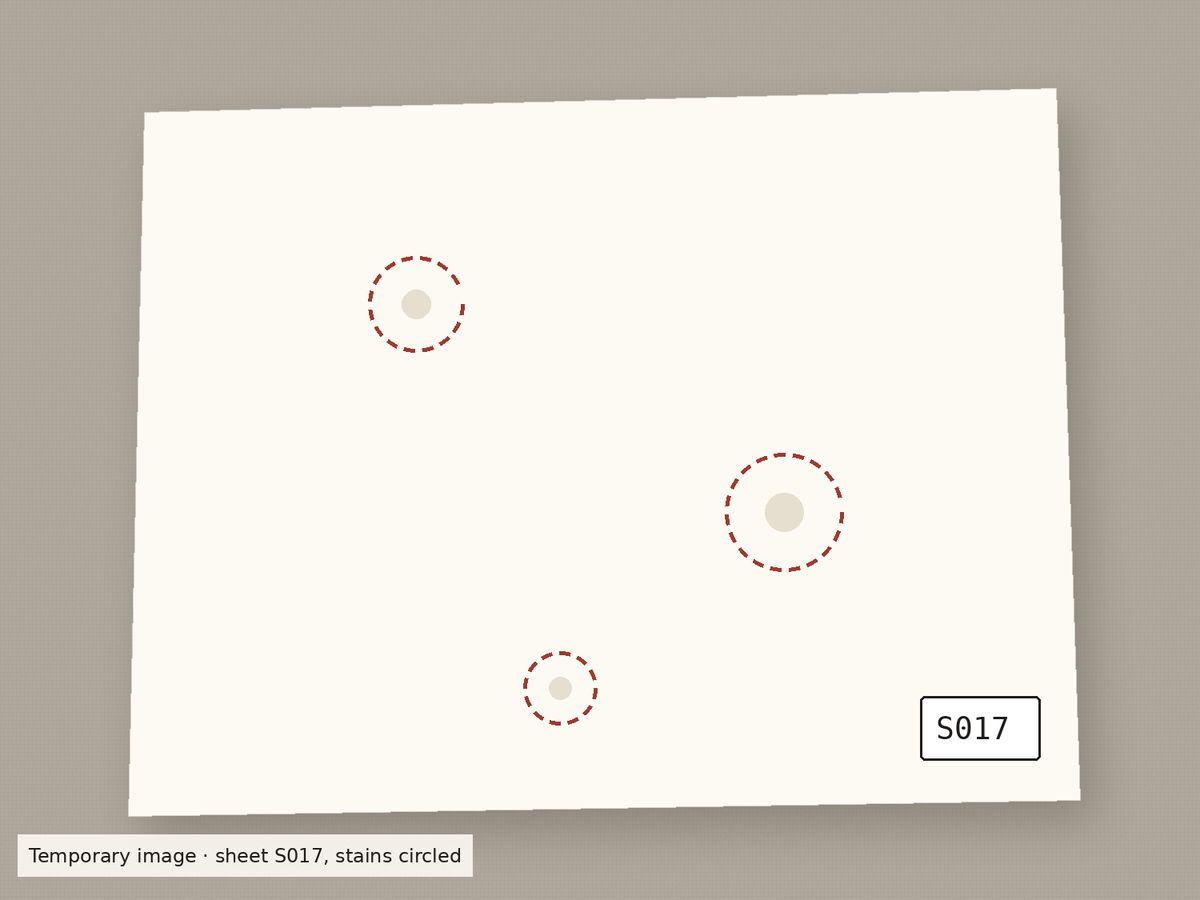
A white sheet with stains circled in chalk and a card reading S017
02 / 05

Inspected and chalk-marked

Each sheet is washed, pressed, weighed and given a sheet number. Over a light box, thin patches and stains show up, and each one is circled in chalk.

A photo of the marked sheet becomes part of the garment's passport.

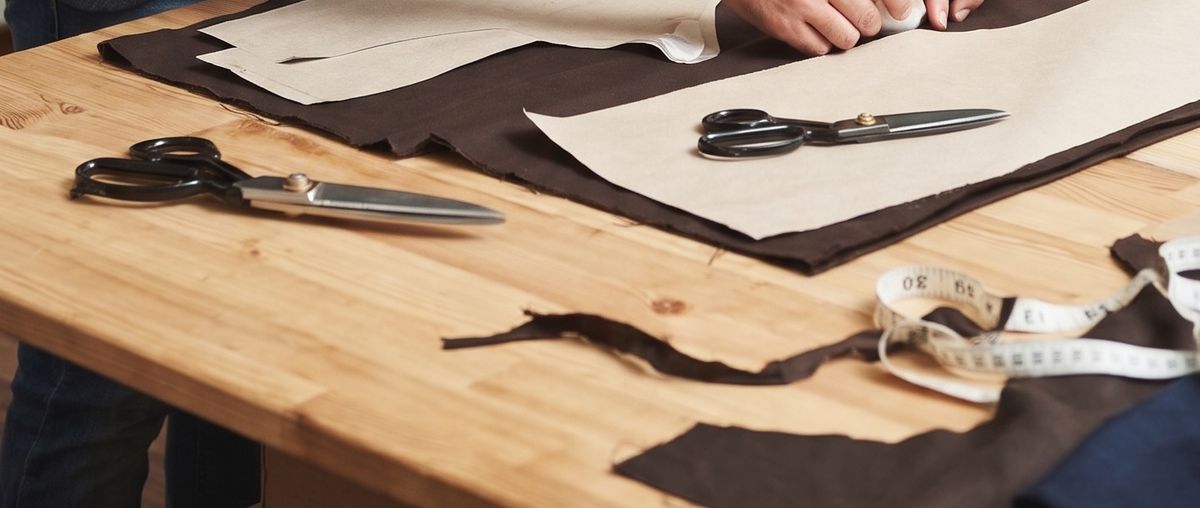
Tailor's shears resting on pattern pieces on the cutting table
03 / 05

Cut by hand, around every flaw

Paper patterns are laid around the chalk circles along the straight grain, then every piece is cut with shears.

Larger offcuts become small pieces, bindings and interlining.

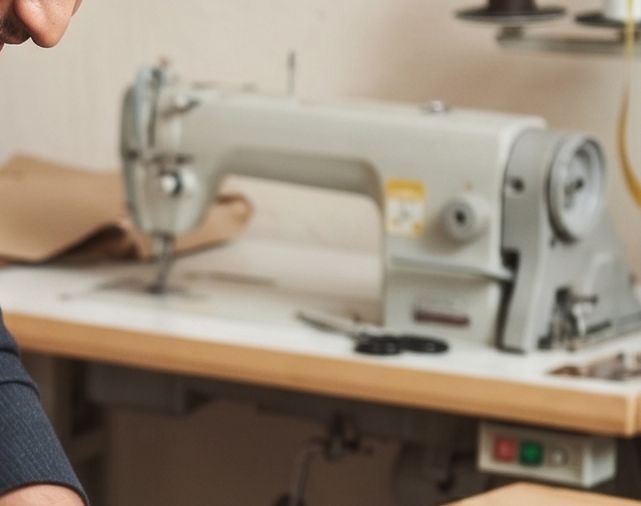
An industrial sewing machine in the studio
04 / 05

Made in the UK

Sewn by skilled makers in the UK with fine seams, cotton thread and natural buttons, so the garment stays close to one fibre.

Collars and cuffs can be interlined with layers of the same sheet instead of fused interfacing.

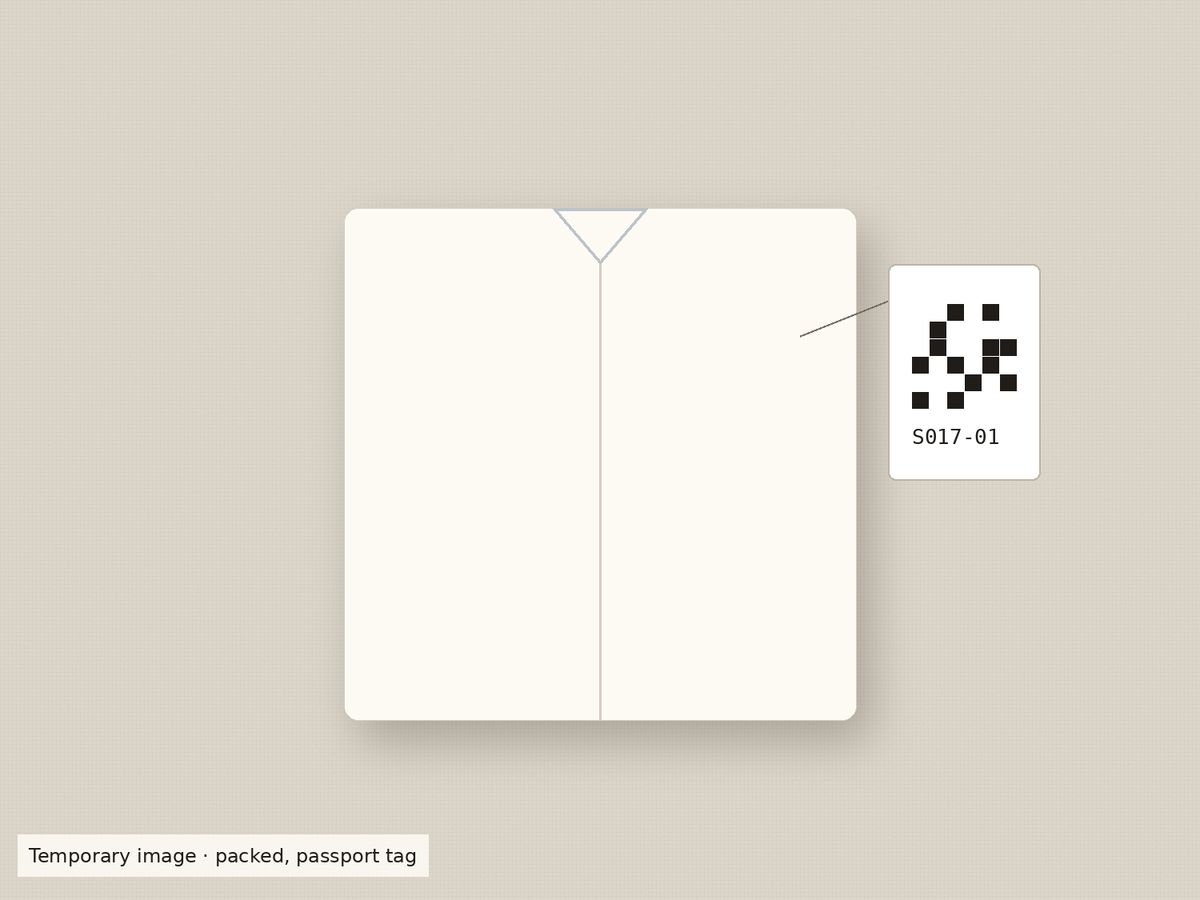
A folded shirt with a QR hang tag
05 / 05

Weighed, tagged, passported

The finished garment and every offcut are weighed. When the weights add up to the sheet we started with, the passport goes live and the QR tag is sewn in.

Scan it and the whole story plays on your phone.

What we hold ourselves to

  • Name the sourceEvery sheet comes from a hotel we can name, with their permission.
  • Measure, then speakWe only publish figures we weighed or counted ourselves.
  • Make it in the UKCut and sewn by skilled makers in the UK, paid fairly.
  • Keep it goingRepairs for every piece, and every garment taken back at the end.

Garment passports

Every garment, traced to its sheet

Each finished piece will carry a QR code and a number. Scan it to see the hotel the sheet came from, the chalk-marked sheet itself, who cut and sewed it, and the weights of everything the sheet became.

Find a passport
  1. Each sheet is weighed dry when it arrives and given a sheet number.
  2. After cutting and sewing we weigh the finished garment, its buttons and thread, and every offcut.
  3. Offcuts are sorted: reused in other pieces, sent to a textile recycler, or thrown away.
  4. The weights must add up to the sheet's weight before a passport is published.
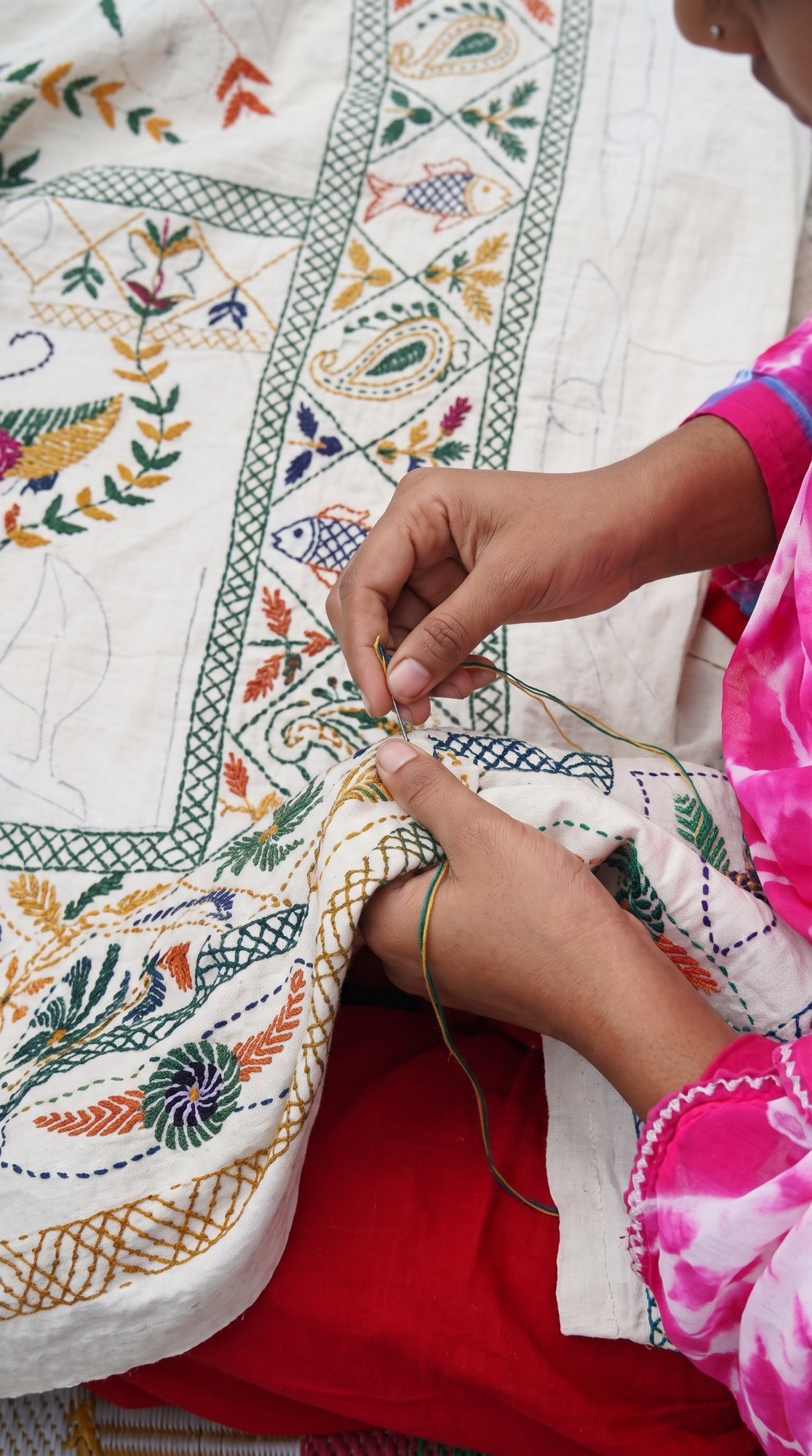
Close-up of red kantha running stitch over a faint stain

Signature

Some flaws stay, stitched over in kantha

Kantha is the Bengal tradition of layering old cloth and running-stitching it into something new. Where a stain sits somewhere beautiful, we may keep it and stitch over it by hand. Those pieces are one of one.

What we don't claim

We don't print water or carbon “savings” we haven't measured, and we don't call anything zero-waste. If we compare our linen with new cotton, we name the published study the figure comes from and say exactly what it covers.

Collecting, washing, cutting and sewing reclaimed linen also uses energy and water. Our passports will say so.